
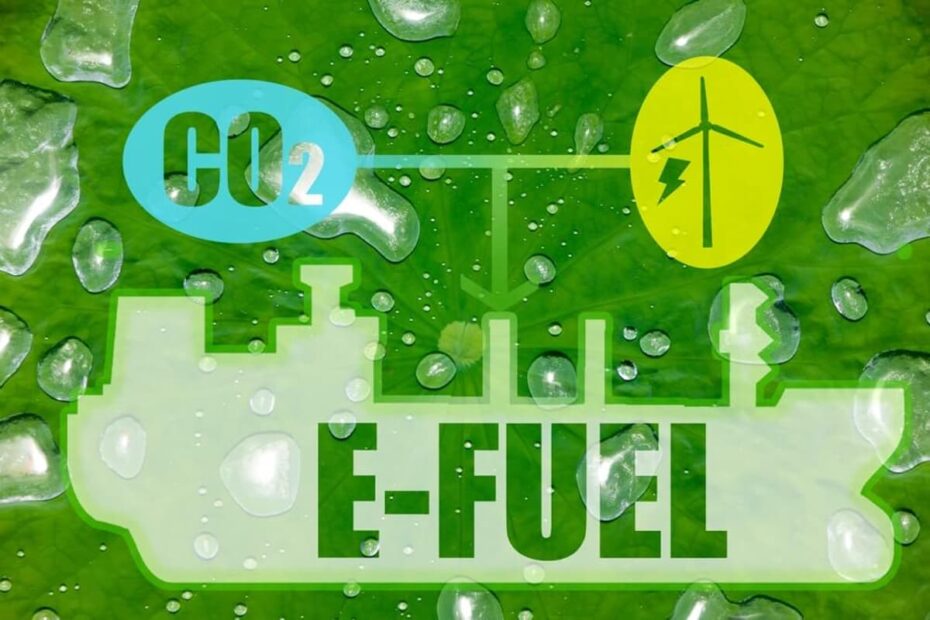
Producing e-fuels remains more expensive than fossil fuel refining, primarily due to the cost of renewable electricity, electrolysis and CO₂ capture. But there has been notable progress.
The Port of Açu in Brazil has launched a green shipping corridor with the Port of Antwerp–Bruges in Belgium, which could be one of the first large-scale e-fuel exports routes by 2030.
Several e-fuel demonstration facilities have already shown that production is technically viable. One example is the HIF Haru Oni e-fuel facility in southern Chile. It has been operating for three years, producing green hydrogen and synthesising it with recycled CO₂ to make e-methanol, e-gasoline and e-liquid gas. The carmaker Porsche has tested Haru Oni’s e-fuels at various events.
They show that synthetic fuels can meet demanding technical and operational requirements, which should encourage other sectors to consider low-carbon fuels as well.
… to continue reading this article and more, please login, register for free, or consider subscribing to gasworld