
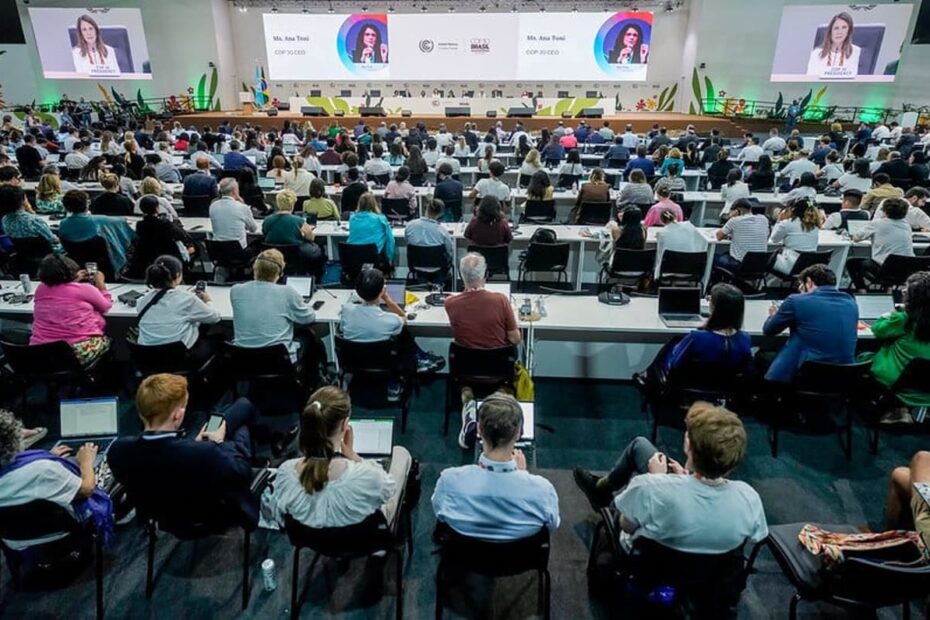

Countries are engaged in last-minute negotiations to finalise a global agreement, primarily focusing on the future of fossil fuels and climate finance.
The primary expected outcome is the adoption of the final “Belém Political Package” of decisions by consensus during the closing plenaries scheduled for the evening.
The most contentious issue is the inclusion of a clear roadmap to transition away from fossil fuels.
The latest draft texts from the Brazilian Presidency have been criticised for omitting any mention of a fossil fuel transition roadmap, leading to strong opposition from many nations.
Major oil and gas consumers like China, India, and Saudi Arabia have reportedly resisted strong language on phasing out fossil fuels.
But progress has been made, and around 83 countries have supported the call to end them.
Climate advocates believe stricter measures are inevitable after COP28 closed with the key pledge to ‘transition away’ from fossil fuels. But then momentum stalled at COP29 in Baku, as it failed to reach consensus on key texts.
COP30 wants to see not only commitments on the page but also implementation on the ground, which was its core theme.

©COP30 / UN Secretary General António Guterres speaking at COP30
Despite the absence of the US, COP30 managed to reaffirm global commitments to clean energy technologies.
Delegates heard Europe is doubling down on the energy transition along with encouraging developments in the realms of sustainable fuels, bioenergy and green hydrogen. Brazil’s Mines and Energy Minister announced a decree establishing a legal framework and tax credits for low-carbon hydrogen.
“Each country has the sovereignty to determine what it can do within its timeframe and capacities, but we must show seriousness. We must reduce greenhouse gas emissions,” said Brazil President Luiz Inacio Lula da Silva.
Throughout COP30, there has been a recognition that the public and private sectors cannot act alone when it comes to climate finance, according to the Atlantic Council, the non-profit American think tank.
“The announcements and initiatives that have been launched so far at this year’s summit reflected a broad shift: the conversation is no longer about whether private finance should engage in adaptation and resilience, but how quickly financial ecosystems and policy frameworks can be aligned to deliver project pipelines to respond at the scale and speed that climate change requires,” it notes.